
Introduction
The world of therapy has changed dramatically over the past few years. Video calls, online counseling, and digital worksheets have become part of everyday practice. Yet many therapists still struggle with one challenge. How do you keep children, teenagers, and families engaged during sessions?
That question has pushed professionals to search for better tools. One platform receiving growing attention is Scribility.
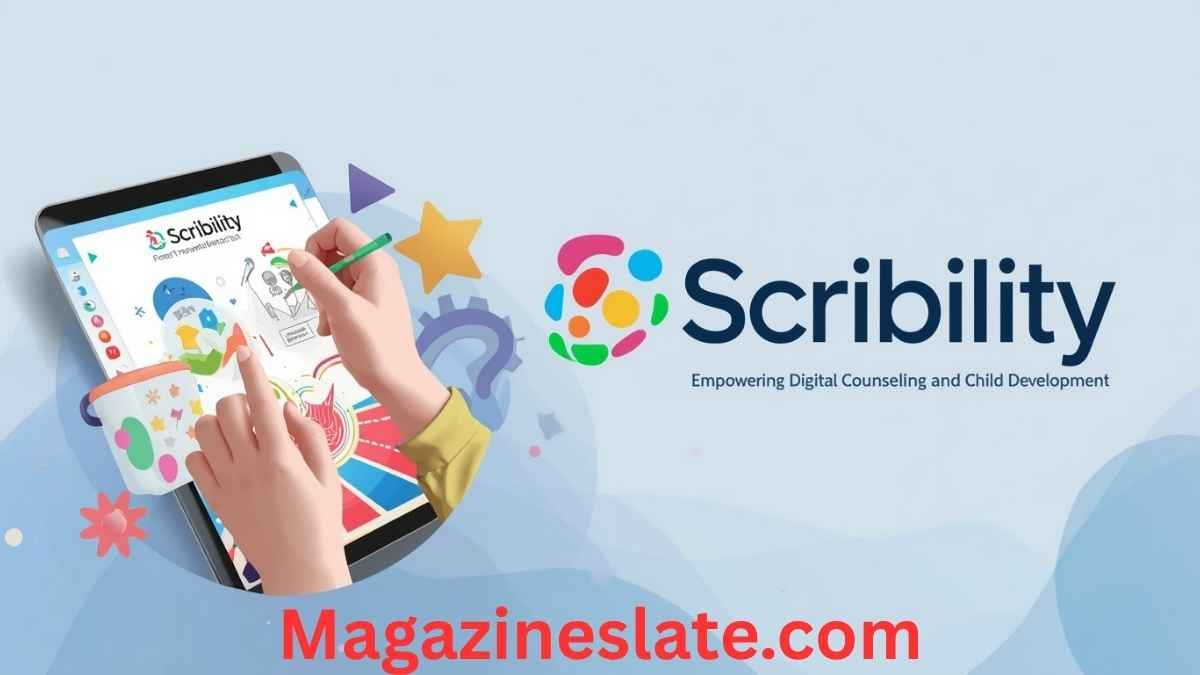
Scribility combines visual storytelling, interactive exercises, and digital collaboration into a single browser-based platform. Instead of relying only on conversations, therapists can use characters, objects, worksheets, and visual exercises to help clients express emotions, understand situations, and develop coping skills.
For many practitioners, this represents a significant shift. Therapy becomes more visual, more interactive, and often more engaging for younger clients.
In this guide, you’ll learn exactly what Scribility is, how it works, who can benefit from it, and whether it deserves a place in modern counseling and therapy practice.
What Is Scribility?
Scribility is a browser-based digital therapy and counseling platform designed to support psychotherapy, family therapy, educational counseling, and related therapeutic work. The platform provides interactive figures, visual tools, and collaborative exercises that therapists can use during sessions.
Unlike traditional worksheet libraries, Scribility focuses heavily on participation.
Clients do not simply read information.
They interact with it.
Therapists can create visual scenes, build stories, explore emotions, and guide problem-solving activities using digital characters and objects.
The platform works both remotely and in person, making it useful for modern hybrid therapy environments.
Why Is Scribility Becoming Popular?
Several trends have increased demand for platforms like Scribility.
First, online therapy has expanded worldwide.
Second, younger generations are comfortable interacting through digital interfaces.
Third, many therapists have discovered that visual learning often improves engagement and understanding.
Scribility addresses all three needs simultaneously.
According to the platform, its tools support areas such as:
- Emotional competence
- Perspective taking
- Social skills
- Cognitive methods
- Coping strategies
- Family communication development
These areas are central to many counseling and therapeutic approaches.
How Does Scribility Work?
One reason Scribility attracts attention is its simplicity.
The platform operates directly within a web browser.
No software installation is required.
Therapists can access visual figures, scenes, and interactive worksheets that clients manipulate during sessions.
A typical session might look like this:
Step 1: Create a Scenario
A therapist builds a scene representing a school conflict, family disagreement, or emotional challenge.
Step 2: Client Participation
The child or client moves characters and objects.
This process often reveals thoughts and emotions that may be difficult to express verbally.
Step 3: Reflection
The therapist guides discussion around the visual representation.
Patterns become easier to identify.
Step 4: Skill Building
Interactive worksheets reinforce coping strategies and behavioral techniques.
The result is a therapy experience that feels more active and collaborative.
Key Features of Scribility
Visual Communication
Visual storytelling remains one of Scribility’s strongest features.
Many children struggle to describe feelings directly.
Visual scenes provide an alternative communication pathway.
Interactive Worksheets
Users can engage with exercises rather than passively reading instructions.
This active participation often improves retention and understanding.
Remote Therapy Support
The platform supports remote collaboration.
Therapists and clients can interact with the same materials during online sessions.
Browser-Based Access
Because Scribility runs in a browser, setup is straightforward.
This reduces technical barriers for both therapists and clients.
Custom Content Creation
Professionals can create personalized exercises tailored to individual client needs.
Who Should Use Scribility?
Scribility was designed primarily for helping professionals.
Common users include:
- Psychotherapists
- Child therapists
- Family therapists
- School counselors
- Social workers
- Educational psychologists
- Behavioral specialists
The platform appears particularly effective when working with children and adolescents.
Adults can also benefit, especially those who process information visually.
Benefits of Using Scribility
Increased Engagement
Children often respond positively to interactive visual tools.
Traditional worksheets sometimes feel like school assignments.
Interactive activities feel different.
Better Emotional Expression
Visual representations help clients communicate complex emotions.
Many therapists report that difficult conversations become easier when supported by imagery.
Flexible Delivery
Sessions can occur:
- In person
- Online
- Hybrid
- School settings
- Clinical settings
This flexibility is increasingly valuable.
Improved Collaboration
Both therapist and client actively participate.
This creates a stronger sense of partnership throughout the therapeutic process.
Scribility Pricing
According to information published on the platform, Scribility offers a professional subscription model.
The pricing shown during its beta phase included:
| Plan | Price |
|---|---|
| Monthly | €12.95 |
| Annual | €99.99 |
The subscription includes access to figures, objects, tools, and collaborative features. Pricing may change over time, so professionals should verify current costs directly through the platform.
Scribility vs Traditional Therapy Materials
| Feature | Traditional Worksheets | Scribility |
|---|---|---|
| Interactive | Limited | High |
| Remote Use | Difficult | Easy |
| Visual Storytelling | Basic | Advanced |
| Collaboration | Moderate | Strong |
| Customization | Moderate | High |
| Engagement Level | Variable | Often Higher |
The biggest difference lies in participation.
Traditional materials often focus on reading and writing.
Scribility emphasizes interaction and exploration.
How Scribility Compares to Other Digital Therapy Tools
Professionals often compare Scribility with platforms such as:
- SimplePractice
- TheraNest
- TherapyNotes
- Mentalyc
- Scribular
- Tactus Therapy
- SpeakEasy
- Prosodiya
Most of these tools focus on administration, note-taking, communication support, or speech development.
Scribility focuses more heavily on therapeutic interaction and visual engagement.
This distinction makes it complementary rather than directly competitive in many cases.
Common Challenges and Limitations
No platform is perfect.
Several considerations should be evaluated before adopting Scribility.
Learning Curve
Therapists may need time to learn how to integrate visual exercises effectively.
Internet Dependence
Because the platform operates online, reliable internet access is necessary.
Not a Replacement for Clinical Skill
This is perhaps the most important point.
Tools support therapy.
They do not replace therapeutic expertise.
The effectiveness of any platform still depends on professional judgment and intervention quality.
The Future of Interactive Therapy Platforms
Digital therapy tools continue evolving rapidly.
Several trends suggest platforms like Scribility will become increasingly important:
- Growth of teletherapy
- Increased use of digital collaboration
- Greater emphasis on visual learning
- Improved accessibility tools
- AI-assisted personalization
The broader healthcare and counseling industries continue moving toward hybrid service models.
Interactive platforms fit naturally into that evolution.
Frequently Asked Questions
Is Scribility free?
Scribility offers trial access, but full professional use generally requires a paid subscription.
Can Scribility be used remotely?
Yes. Remote collaboration is one of the platform’s core features.
Does Scribility require installation?
No. It runs directly within a web browser.
Who is Scribility designed for?
The platform targets therapists, counselors, educational professionals, and family support practitioners.
Is Scribility suitable for adults?
Yes. While many activities are useful for children and adolescents, adults can also benefit from visual therapeutic approaches.
Can worksheets be customized?
Yes. Users can create and adapt exercises according to client needs.
Final Thoughts
Scribility represents a growing movement toward interactive, visual, and collaborative therapy. Rather than replacing traditional therapeutic methods, it enhances them through engagement and creativity.
For therapists working with children, families, and visually oriented clients, the platform offers an appealing combination of flexibility and participation. Its browser-based design, remote collaboration capabilities, and interactive exercises align well with the realities of modern counseling practice.
As therapy continues evolving in the digital age, tools like Scribility may become less of a novelty and more of a standard part of professional practice. The most interesting question is no longer whether therapy can be digital. The question is how digital tools can create deeper human connections, and Scribility is one example of that ongoing transformation.